


-

Add: HeBei ShengShi HongBang Cellulose Technology CO.,LTD.
-

Email
13180486930@163.com -

CONTACT US
+86 13180486930






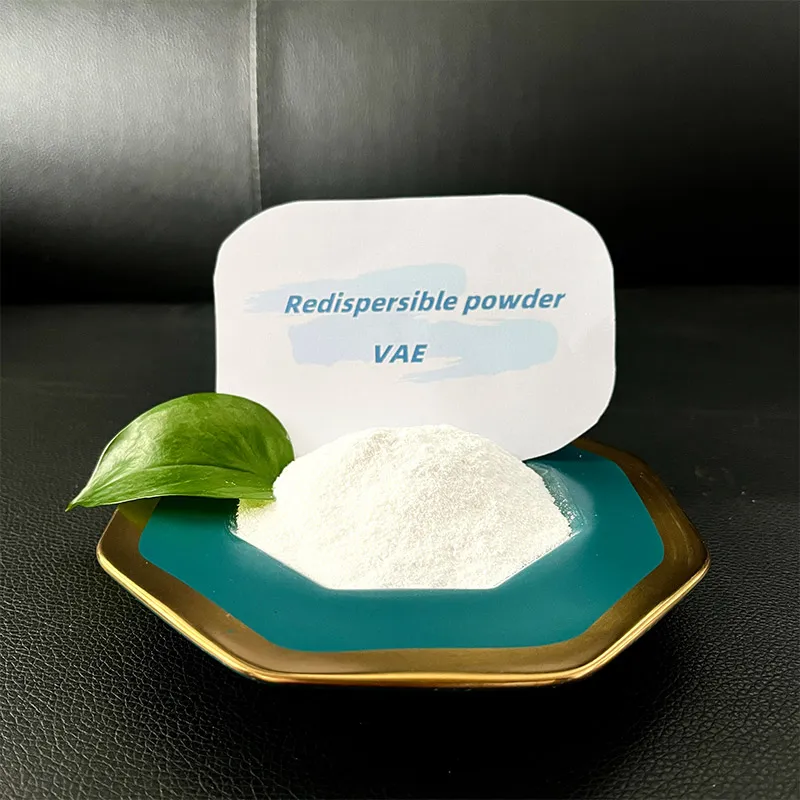
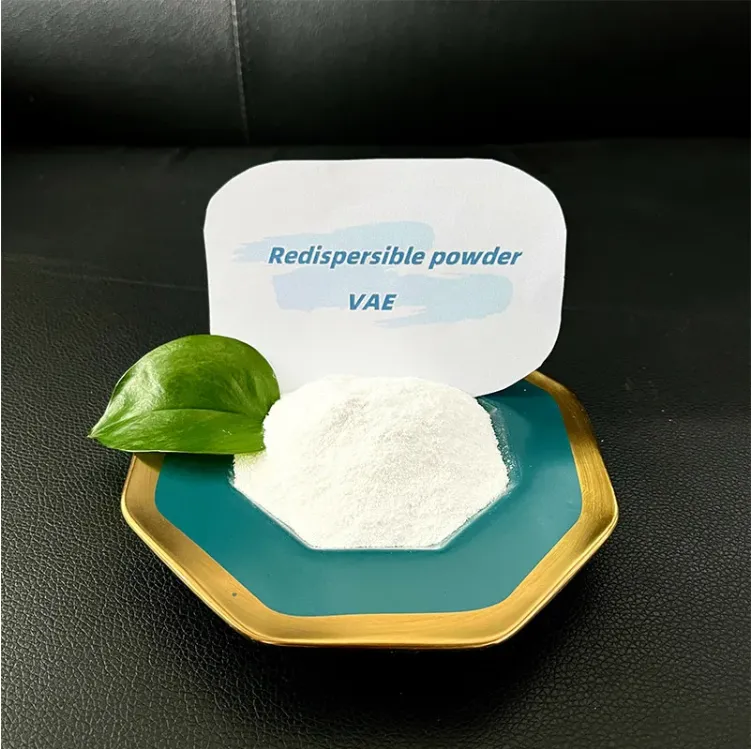
HeBei ShengShi HongBang Cellulose Technology CO.,LTD. Tel: +86 13180486930 Email: 13180486930@163.com Address: Room 1904, Building B, Wanda Office Building, JiaoYu Road, Xinji City, Hebei Province Official Website Introduction to Redispersible Emulsion Powder & Industry Overview Redispersible emulsion powder (REP), also known as redispersible latex powder or polymer powder , represents one of the most transformative innovations in modern construction, dry mix mortars, and various industrial applications. These powders, which include sought-after types such as VAE redispersible powder , are essentially spray-dried polymer emulsions that redisperse when mixed with water, forming a stable polymer dispersion with remarkable performance characteristics. In recent years, the global demand for redispersible emulsion powder has surged due to its diverse applications in mortars, adhesives, self-leveling compounds, waterproofing, ETICS/EIFS, tile adhesives, and specialized floor screeds. According to the Proceedings of the Institution of Mechanical Engineers , performance-enhancing admixtures like REP significantly improve workability, durability, and adhesive properties in cementitious blends while contributing to sustainability efforts. Industry Trends – Global Market Insights The redispersible emulsion powder market is experiencing robust growth, demonstrated by increasing consumption across the Asia-Pacific, European Union, and Middle Eastern construction sectors. The shift towards prefabrication, green buildings, lightweight mortars, and high-performance adhesives directly reflects the surging demand for advanced polymer additives. 2023 Market Size : Estimated at $1.8 Billion ( source ). CAGR : > 6.2% for 2024-2030. Key Regions : China, India, Germany, Turkey, USA, UAE. Major End-Use Sectors : Tile adhesives, ETICS/EIFS, grouts, plasters, self-leveling compounds. Highest Growth Segment : VAE-based redispersible powders. Key Parameters - Redispersible Emulsion Powder Parameter Typical Range Industry Standard Application Impact Polymer Content (%) 50-99 >80 for premium VAE Bond strength, flexibility, water resistance Particle Size (μm) 80-120 <120 Dispersion, film formation, smoothness Bulk Density (g/L) 350-550 450±50 Flowability, packing, mixing pH Value (1:5 aqueous solution) 5-8 6-8 (neutral to mildly acidic) Cement compatibility, storage Minimum Film Formation Temp. (°C) 0-10 <5 Cold weather applications Residue after Sieve (180μm, %) <2% <2% Consistency, lump-free blending Redispersibility (min.) <5 <5 Homogeneity, performance guarantee Product Focus: Redispersible Powder VAE from HeBei ShengShi HongBang Cellulose Technology CO.,LTD. Introducing Redispersible Powder VAE by HeBei ShengShi HongBang Cellulose Technology CO.,LTD. . Re-dispersible polymer powder products, especially those based on Vinyl Acetate Ethylene (VAE), mark a significant innovation in the construction and industrial sectors. They offer excellent flexibility, high bond strength, water resistance, and improve the overall workability of dry mix mortar systems. The VAE-based redispersible powders produced by our company strictly adhere to international standards, offering unparalleled performance across a broad range of applications. Product Name: Redispersible Powder VAE Product Brief: Re-dispersible polymer powder products are a significant innovation in the realm of construction and industrial applications, offering versatile solutions due to their unique properties and capabilities. Product URL VAE Redispersible Powder - Main Technical Data Property Value Test Method Significance Polymer Type VAE Copolymer FT-IR, DSC Adhesion, flexibility Polymer Content (%) ≥81 Gravimetry Bonding, film forming Residue on Sieve (180μm, %) <1.0 Sieve Test Smoothness Bulk Density (g/L) 410-530 ISO 60 Mixing/packing pH Value (1:5 in Water) 6.0-8.0 pH-meter Alkalinity compatibility Minimum Film Formation Temp. (°C) <5 Film formation Cold weather suitability Redispersion Time (min.) <6 Visual Workability Applications & Benefits of Redispersible Emulsion Powder Tile Adhesives & Grouts: Enhanced open time, strong cohesion, slip and water resistance for interior/exterior tiling. Self-leveling Compounds: Improved flow, crack resistance, resilience under mechanical stress. External Thermal Insulation Composite Systems (ETICS/EIFS): Flexibility, weather resistance, improved bonding between foam and mortars. Cement Renders & Plasters: Excellent workability, shrinkage reduction, easier application, superior surface finish. Waterproof Mortar: Hydration retention, flexural strength, resistance to hydrostatic pressure. Gypsum-based Systems: Reduced powdering, improved adhesion and smoothness in joint fillers and wall plasters. Other: Repair mortars, self-compacting concretes, flooring systems, and wood/plaster adhesives. Professional FAQ on Redispersible Emulsion Powder Q1: What is the typical composition of redispersible emulsion powder ? A: It usually consists of vinyl acetate ethylene (VAE) copolymers, protective colloids like PVA, anti-blocking agents, and minor additives to enhance workability. Q2: What particle size is considered optimal for high-performance tile adhesives? A: A mean particle size of 80–100μm is recommended, ensuring excellent dispersion and smooth film formation (see Cement & Concrete Composites Journal ). Q3: What are the most relevant standards for redispersible latex powder testing? A: ISO 12439, EN 12004 (tile adhesives), ASTM C348 (flexural strength), ISO 60 (bulk density), and EN 196-1 (bond strength) are key standards for evaluating performance. Q4: Which installation guidelines are vital for VAE-based redispersible powder ? A: Use in dust-free, dry environments, ensure thorough mixing, dose according to dry mortar formulation (1-5%), and avoid excessive exposure to humidity before mixing. Q5: How does redispersible emulsion powder improve flexibility? A: Upon redispersion and subsequent film formation, the polymer chains interlock within the mortar, granting elasticity and crack resistance even upon heavy mechanical loading. Q6: What are the environmental considerations regarding the use of REP? A: REP enhances durability, reduces repair volumes, and supports sustainable construction by allowing lower cement dosages and energy-efficient building designs. ( Materials science journal ) Q7: Is redispersible emulsion powder compatible with all types of cement? A: VAE-based powders are highly compatible with OPC, blended cement, gypsum, and hydraulic binders, enhancing adhesion and durability across different formats. HeBei ShengShi HongBang Cellulose Technology CO.,LTD. - Why Choose Us? Authority: Over 15 years' expertise and ISO-certified, acknowledged as industry leaders in advanced cellulose ethers and redispersible emulsion powder solutions. Trustworthiness: Exported to 40+ countries; tracking raw materials from source to finished product ensures top reliability. Technical Support: Dedicated R&D/technical consulting for formulation optimization, application trouble-shooting, and regulatory compliance. Global Logistics: Fast, safe delivery throughout Asia, Europe, Middle East, Africa, and the Americas. One-Stop Portfolio: Cellulose ethers, construction RDP, superplasticizers, hydroxypropyl methyl cellulose (HPMC), and more. References Redispersible polymer powders: properties, application and latest developments. Construction Technology Journal . [ Read article ] Performance improvement by VAE-based redispersible powders in mortars. Materials & Design . [ Read article ] Annual Global Redispersible Powder Industry Forum (2023): Market Data Polymer-modified cementitious materials: Mechanical and chemical advancements (SAGE Publications) Aggregate concrete and composites analysis. SpringerOpen: Innovative Infrastructure Solutions For further technical support or to discuss your redispersible emulsion powder requirements, please contact HeBei ShengShi HongBang Cellulose Technology CO.,LTD. directly at +86 13180486930 or email 13180486930@163.com . We are committed to delivering high-efficiency, reliable, and cost-optimized polymer powder solutions globally.
- 40000tons

Production
- 20+years

Experience
- 5000+㎡

Acreage

-
Starch derivatives are a vital component in a myriad of industries, offering versatility and functionality that goes beyond what native starches can provide. These modified starches are tailored to enhance the properties needed for specific applications, thus meeting the stringent requirements of modern production processes. In this exploration of starch derivatives, several notable examples are highlighted, showcasing their diverse applications and benefits. One exemplary starch derivative is ethylated starch , extensively utilized in the paper industry. This starch modification involves the introduction of ethyl groups into the starch molecule, resulting in improved water resistance and adhesive properties. Its significant utility lies in producing high-quality paper products with enhanced printability and durability. The ethylation process not only boosts the hydrophobic characteristics of starch but also provides a smooth paper surface, thus effectively enhancing the ink absorption and reducing feathering during the printing process. Another prominent example is oxidized starch, frequently employed in the textile industry. By subjecting native starch to controlled oxidation, the resulting derivative possesses a lower viscosity and improved film-forming properties. This transformation is particularly pivotal in textile warp sizing, where oxidized starch ensures smooth running of high-speed looms by reducing yarn breakage. Moreover, it lends a softer hand to fabrics, enhancing the overall texture and feel, and is easily washed out of fabrics, ensuring no residue remains after processing. In the realm of food production, maltodextrins serve as a prime example of starch derivatives that have found widespread acceptance. Produced by the partial hydrolysis of starch, maltodextrins are valued for their ability to improve the mouthfeel and solubility of various food products. They function as excellent fat replacers, bulking agents, and carriers for flavors, making them indispensable in the creation of low-calorie foods and beverages. Their easy digestibility and rapid energy supply are particularly beneficial in sports drinks and nutritional supplements, offering consumers the dual benefits of flavor enhancement and nutritional fortification. starch derivatives examples Further advancing into the pharmaceutical and cosmetic industries, hydroxypropyl starch represents a well-utilized derivative known for its film-forming capabilities and enhanced stability. This starch is produced by inserting hydroxypropyl groups into the starch chain, which improves its binding capacity and moisture retention. In pharmaceuticals, it acts as an effective excipient, aiding tablet binding and disintegration. Meanwhile, in cosmetics, hydroxypropyl starch is incorporated into formulations to create protective films on the skin, offering hydration and a silky, smooth feel without clogging pores. Finally, acetylated distarch adipate is spotlighted for its role in frozen foods. This starch derivative involves the introduction of both adipic acid and acetic anhydride, offering superior freeze-thaw stability and maintaining texture integrity upon thawing. It is particularly effective in frozen pie fillings, sauces, and gravies, where maintaining consistency and quality through temperature fluctuations is critical. Each of these starch derivatives exemplifies the intricate modifications that expand the functionality of starch beyond its conventional uses. By doing so, industries can address specific production challenges while delivering products that meet consumer expectations for quality and performance. The adaptability of starch derivatives ensures their continued relevance and importance in an ever-evolving marketplace, highlighting the necessity of ongoing innovation to meet the dynamic demands across various sectors. As research expands, it is expected that new derivatives will emerge, further augmenting the versatility of starch in industrial applications.
-

The world of hair care is evolving, with consumers seeking products that not only meet aesthetic desires but also promote overall hair health. One such innovative ingredient that stands out in the hair care market is hydroxypropyl starch phosphate, a modified starch that serves as an exceptional conditioning agent. This article delves into its multifaceted benefits, applications, and why it is gaining traction among hair care enthusiasts and professionals. Hydroxypropyl starch phosphate is derived from natural starch, typically sourced from corn or potatoes. This ingredient undergoes a modification process, which enhances its properties, making it particularly suitable for hair care applications. By altering the starch’s molecular structure, it becomes an effective film-former and stabilizer, endowing hair products with improved texture and performance. From a professional standpoint, hydroxypropyl starch phosphate is praised for its conditioning benefits . It effectively smooths the hair shaft, reducing frizz and enhancing shine. This is achieved by forming a thin film over the hair strands, which not only protects the hair from external aggressors but also locks in moisture. Unlike some synthetic polymers traditionally used in hair care, this modified starch is biodegradable, presenting an eco-friendly alternative that aligns with the growing consumer demand for sustainable beauty solutions. Hair health experts emphasize the importance of hydration and protection in maintaining vibrant hair. Hydroxypropyl starch phosphate contributes to these aspects by preventing moisture loss and shielding hair from thermal damage. Its ability to withstand high temperatures without breaking down makes it an excellent ingredient for products aimed at thermal protection, such as heat protectants and leave-in conditioners. Scientific studies and real-life testimonials corroborate the efficacy of hydroxypropyl starch phosphate in enhancing hair manageability. Users have reported noticeably softer and more manageable hair with continued use of products containing this ingredient. Furthermore, because it is derived from natural sources, it is gentle enough for daily use across various hair types, including chemically treated and sensitive scalps. hydroxypropyl starch phosphate hair In terms of professional formulations, hydroxypropyl starch phosphate’s versatility cannot be overstated. It seamlessly integrates into a wide range of hair care products, from shampoos and conditioners to styling creams and gels. Its compatibility with other common cosmetic ingredients ensures that product efficacy is not compromised, making it a preferred choice for formulators striving to create holistic hair care solutions. Trust and transparency are pivotal in today’s consumer landscape. As a naturally derived ingredient, hydroxypropyl starch phosphate offers a trustworthy option for brands and consumers alike. Its safety profile bolstered by regulatory approvals in major markets, assures users of its quality and efficacy. Additionally, its application in hair care represents a bridge between nature and science, exemplifying how innovative technology can enhance natural ingredients to meet modern beauty standards. Authoritative voices in the beauty industry have recognized hydroxypropyl starch phosphate for its superior benefits compared to traditional conditioning agents. Publications in cosmetic science journals highlight its multifaceted nature, underscoring its crucial role in developing advanced hair care products that cater to a diverse audience with varying hair care needs. For consumers and beauty professionals seeking a reliable, effective, and sustainable ingredient in hair care, hydroxypropyl starch phosphate presents a compelling option. Its ability to deliver consistent performance without compromising on safety makes it a standout choice in an industry where consumers are increasingly mindful of ingredient sourcing and environmental impact. As the quest for healthier, more sustainable hair care options continues, hydroxypropyl starch phosphate represents a step forward. By merging efficacy with environmental responsibility, it embodies the future of hair care, with promising potential for innovation. This ingredient is not just a solution for today’s consumers but a benchmark for tomorrow’s hair care formulations.
advantages
-

200000 Viscosities
Excellent product
We can produce pure products up to 200,000 viscosities
-

40000 tons
High yield
We don’t stop production all year round, and the annual output can reach 40,000 tons
-

24 hours
Quality service
We provide 24-hours online reception service, welcome to consult at any time
———— Inquiry Form
Schedule A services
-
 factory_price_
Oct . 25, 2025
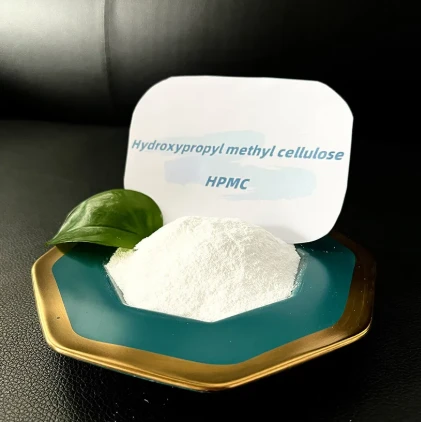
Hydroxypropyl Methylcellulose (HPMC) is a critical additive in the putty powder industry, playing a -
 nylon_is_a_man_made_fiber
Oct . 25, 2025
Insulation materials represent a critical frontier in sustainable construction, balancing thermal ef - hpmc_15
Oct . 25, 2025
The journey of synthetic fibers began with an innovation that changed the textile industry forever t


